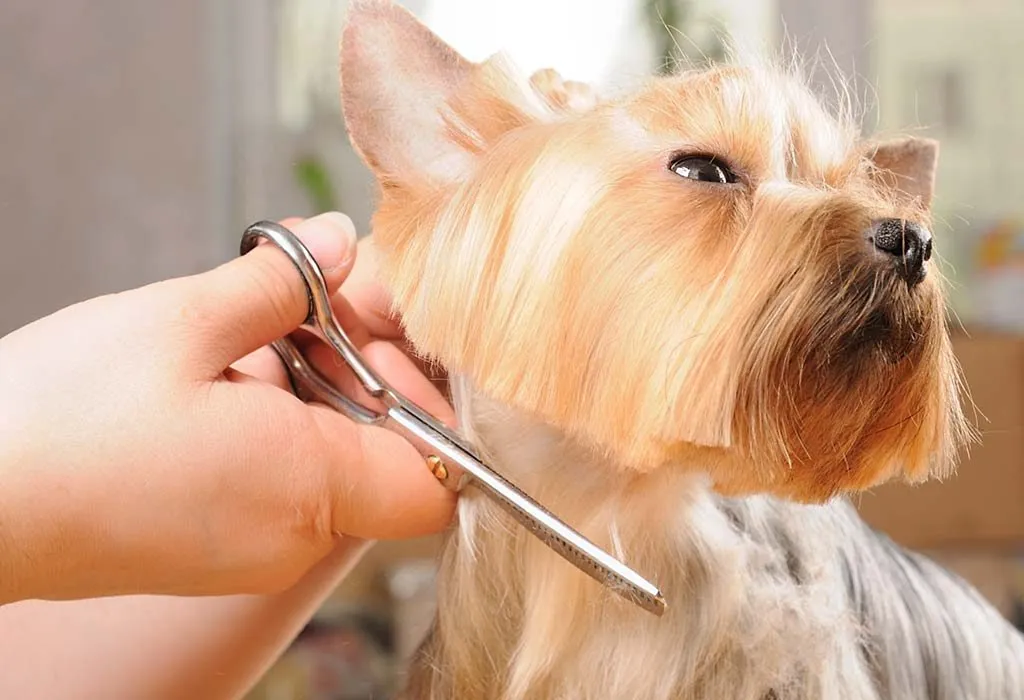
Grooming your dog at home is not only a cost-effective solution but also a way to bond with your pet while ensuring their hygiene and comfort. With the right tools, techniques, and knowledge, you can groom your dog just like a professional. Whether Voice pets you have a long-haired breed that requires regular maintenance or a short-haired dog that needs occasional care, grooming at home can become a rewarding experience for both you and your pet.
Table of Contents
Gather the Right Tools
Before starting any grooming session, it’s important to ensure you have all the necessary tools to make the process efficient and comfortable for your dog. Professional groomers rely on specific tools, so investing in high-quality products will make your job easier and your dog’s grooming experience more pleasant.
Basic Grooming Kit
To get started, your grooming kit should include a few essential tools. These include a brush or comb suitable for your dog’s coat type, nail clippers, grooming scissors, and a dog-friendly shampoo. Depending on your dog’s needs, you may also require ear cleaning wipes, a flea comb, and a hairdryer. Selecting the right tools is crucial for a safe and effective grooming session.
Special Considerations for Coat Type
Different breeds have different coat types, which require specific grooming tools. For instance, dogs with long or curly coats may need de-shedding tools, while those with thicker fur may require a slicker brush or a pin brush to prevent mats and tangles. For short-haired dogs, a simple bristle brush or grooming glove is usually sufficient. Understanding your dog’s coat type is essential for choosing the right grooming tools.
Brushing Your Dog
Regular brushing is one of the most important grooming tasks you can do for your dog. It helps remove dirt, loose fur, and tangles, while also promoting healthy skin. Regular brushing also strengthens the bond between you and your dog and is a great way to check for any signs of skin issues or parasites.
Frequency of Brushing
The frequency of brushing depends on your dog’s breed and coat type. Long-haired dogs or those with thick coats generally require daily or weekly brushing, while short-haired breeds may only need brushing once a week. However, even short-haired dogs can benefit from occasional brushing to remove loose hair and prevent shedding around the house.
Proper Brushing Technique
When brushing your dog, start with gentle strokes to avoid causing discomfort, especially if your dog isn’t used to grooming. Begin at the head and work your way down to the tail, making sure to brush in the direction of hair growth. Be extra gentle around sensitive areas, such as the belly and legs, and pay attention to areas where mats or tangles may form, like behind the ears or under the legs. Always use a brush suited to your dog’s coat type to ensure maximum effectiveness and comfort.
Bathing Your Dog
Bathing is an essential part of your dog’s grooming routine. Regular baths help maintain cleanliness, remove dirt and oils, and keep your dog’s skin and coat healthy. While dogs don’t need to be bathed as frequently as humans, regular baths are essential to their overall grooming regimen.
Choose the Right Shampoo
When bathing your dog, it’s important to use a shampoo that is formulated specifically for dogs. Human shampoos can be too harsh and may irritate their skin. Depending on your dog’s skin type, you may need a special shampoo—such as one for sensitive skin, hypoallergenic shampoo, or one designed for flea prevention. Be sure to select a product that suits your dog’s specific needs.
Bathing Process
Start by thoroughly wetting your dog with warm water, making sure it’s not too hot or cold. Gently massage the shampoo into your dog’s coat, avoiding the eyes, ears, and mouth. Rinse thoroughly to remove all shampoo residue. After the bath, it’s important to dry your dog properly. You can use a towel to blot the coat and absorb excess water, then follow up with a pet-safe hairdryer set on a low heat setting, especially for dogs with thick coats. Be sure to keep the dryer at a safe distance to avoid overheating your dog’s skin.
Nail Trimming
Nail trimming is another essential part of home grooming that helps keep your dog comfortable and prevent injuries. Overgrown nails can cause discomfort, affect your dog’s gait, and even lead to painful health issues.
Tools for Nail Trimming
Invest in a high-quality pair of dog nail clippers or a nail grinder designed specifically for pets. The right tool will make the process much smoother and reduce the risk of hurting your dog. Nail clippers come in various styles, including guillotine and scissor types, so choose the one that feels most comfortable for you and your dog.
How to Trim Dog Nails
To trim your dog’s nails safely, start by holding their paw gently but firmly. Be careful not to cut too close to the quick, which is the pinkish area inside the nail that contains blood vessels and nerves. If you accidentally cut the quick, it can cause bleeding and pain. To avoid this, trim only the sharp tip of the nail. If your dog has light-colored nails, the quick is visible, making it easier to avoid. For dogs with dark nails, it’s best to trim a little at a time to prevent cutting the quick.
Regular Nail Maintenance
How often you trim your dog’s nails depends on their activity level and lifestyle. Dogs that are very active may wear down their nails naturally, while those that are more sedentary may need frequent trims. A good rule of thumb is to check your dog’s nails once a month and trim them as needed. If you’re unsure, consult your veterinarian or a professional groomer to get advice on the proper frequency.
Ear Cleaning and Other Grooming Tasks
Maintaining the cleanliness of your dog’s ears is an important part of their grooming routine. Dogs with floppy ears or those prone to ear infections may require more frequent ear care. Additionally, keeping your dog’s teeth and eyes clean is essential for their overall well-being.
Ear Cleaning
To clean your dog’s ears, use an ear cleaning solution specifically designed for pets. Gently wipe the inside of the ears with a cotton ball or pad, making sure not to insert anything deep into the ear canal. If your dog shows signs of excessive itching, odor, or discharge from the ears, it could indicate an infection, and you should consult your veterinarian.
Teeth Brushing
Just like humans, dogs need their teeth brushed regularly to prevent plaque buildup and oral health issues. Use a toothbrush and toothpaste designed for dogs and gently brush your dog’s teeth several times a week. Dental chews and toys can also help maintain your dog’s oral health between brushings.
Eye Care
Some dogs are prone to eye discharge, which can cause staining and irritation. To clean your dog’s eyes, use a damp cloth or pet-safe eye wipes to gently remove any debris or discharge. Be careful not to poke or irritate the eye area.